


Park Ranger Job Guide: How to Break into the Industry
What is a Park Ranger?
A Park Ranger works across national parks, forests, and protected areas, playing a vital role in preserving natural landscapes and making a real, hands-on impact on the environment. It’s a career that blends outdoor work, conservation, education, and community engagement.
If you enjoy spending your days outdoors, are physically active, and have a strong passion for Queensland’s unique ecosystems—from rainforests and bushland to coastal and marine environments—this could be the perfect career for you.
As highlighted by the Department of Environment, Tourism, Science and Innovation (Dec 2024):
“The roles and responsibilities of Park Rangers are very diverse and include management of terrestrial, marine and island parks; fire; wildlife and visitor safety. Rangers also manage education programs in parks and at David Fleay Wildlife Park, Walkabout Creek Discovery Centre; Mon Repos Turtle Centre; and Chillagoe Caves guided tours.”
Go here to read on from this Article…
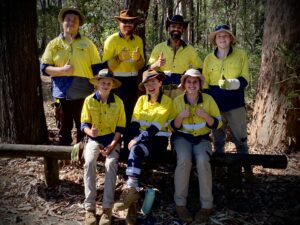
What skills do Park Rangers need?
Park Rangers require a wide range of specialised skills to maintain and protect natural environments. This includes managing weed infestations and controlling invasive animal species, both of which are critical to preserving biodiversity. Rangers must understand how even small changes in an ecosystem can have wide-reaching effects, making them careful and informed stewards of the land.
Fire management is another major skill for a bush ranger. Planned burns (also known as hazard reduction burns) are essential for reducing the risk of severe bushfires. Rangers are involved in every stage of this process—assessing high-risk areas, planning where and when burns should occur, assisting in carrying them out, and monitoring the landscape in the months that follow. Rangers not only assist with hazard reduction burns, but also Cultural Burns usually conducted by Indigenous rangers to help clear out undergrowth, which is a holistic practice aimed at maintaining overall health and fostering cultural heritage. Their work helps protect both the environment and nearby communities.
In addition to conservation work, Park Rangers also play an important role in educating the public. They lead tours, run school programs, and help visitors understand the significance of the natural areas they are exploring. Ensuring visitor safety while promoting respect for the environment is a key part of the job.
How can I become a Park Ranger?
The best way to become a park ranger is by volunteering and getting comfortable with the routine. No two days are the same so being used to moving around different areas in the job with little notice is a great way to gain experience.
Doing a Certificate in Conservation or similar can also help in making a good impression on perspective employers. If you have the formal qualification and the experience, you’re sure to be a good candidate for the job.
Doing you own research into areas you’re most interested in like marine, animal control or bush regeneration can also demonstrate your passion for the job.
Completing the Certificate I in Conservation & Ecosystem Management
Our PAID traineeship in Conservation is the perfect way to get the foundational skills for field work. From plant identification to chemical use, you are sure to gain valuable experience for the job.
It’s the best way to feed your passion for the environment and take the next steps in your journey whether it’s in your knowledge or confidence working in the field.
Conservation work is a great career choice for people who no longer want to work in an office with fluorescent lights or are keen to move into Conservation work right out of high school.
Not sure? Give us a call to discuss your options for working in Ecosystem Management. We are always keen to chat and if we can’t answer a question, we do our best to send you over to someone who can. Keep an eye out here to find current Government funded opportunities in Conservation.